







Search Results for: vague flavor
Four Major Causes of Muddy Pour-Over Coffee Flavor and How to Adjust: A Full Breakdown of Strength, Extraction, Resting, and Water Quality
Many coffee enthusiasts encounter an awkward situation when they first start brewing pour-over: the coffee they brew doesn't taste bad, but the flavor is always vague—they can't quite put their finger on what it actually tastes like. Many people attribute this to the beans themselves and give up on further adjustment. But in fact, unclear flavor often has nothing to do with the beans—it's certain variables in the brewing process that have gone wrong. Drawing on Front Street Coffee's practical experience, this article sorts out four core reasons that may lead to vague flavor—coffee concentration being too high, over-extraction, coffee beans being too fresh, and brewing water being too hard—and provides specific adjustment plans for each situation to help you rediscover the flavor layers of your pour-over coffee. [more…]

A Beginner's Guide to the Five Dimensions of Coffee Tasting: From Aroma to Aftertaste, Learn to Describe Pour-Over Coffee Flavors Like a Pro
When sharing a pot of pour-over with friends, have you ever found yourself at a loss for words, managing only a strained "this coffee tastes really strong"? In fact, describing coffee isn't a talent—it's a skill that can be learned and mastered. Once you understand the five core dimensions of tasting—aroma, taste, flavor, body, and aftertaste—you'll be able to break down and express the sensations of every sip just like a professional barista. In this article, Front Street Coffee will guide you through these five entry points one by one, and with the help of tools like the flavor wheel, turn vague taste associations into something concrete and clear. From beginner to proficient, you'll discover that coffee description follows learnable patterns, and the joy of tasting truly unfolds from there. [more…]
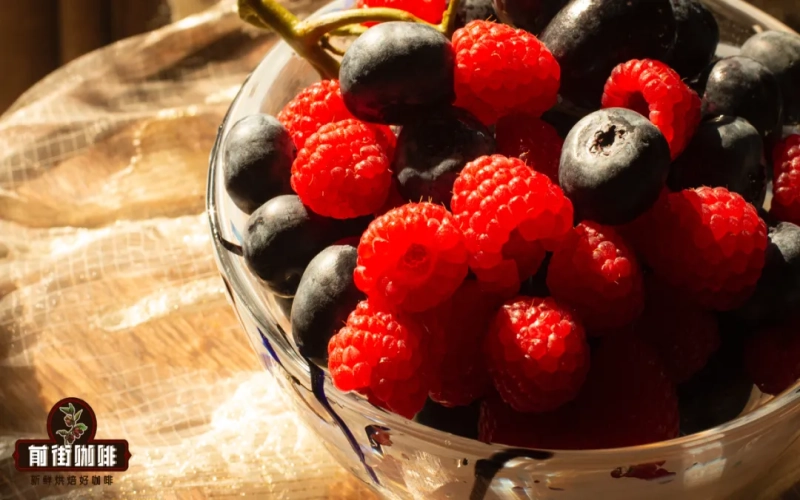
Which fruits exactly do the berry notes in coffee flavors refer to? An analysis of the classification relationship between brambles and berries
When tasting pour-over coffee, we often hear descriptions like "berry notes." Compared to vague flavor terms such as tropical fruit, berries seem easier to associate with specific fruits. But what exactly do berries encompass? Are bacca and berries the same concept? In the new coffee flavor wheel released by the SCA in 2016, berries were listed as a separate category. What is the classification logic behind this? This article will help you clarify the definition of berries, the specific fruits they include, and the difference between them and bacca, so that you can use this term more accurately in coffee flavor descriptions. [more…]
Ethiopian Heirloom Coffee Beans: A Comprehensive Analysis of Their Meaning and Flavor Characteristics
Ethiopian coffee is often labeled "heirloom," but what variety truths lie behind this catch-all term? Why are the locally floral coffee beans always vaguely categorized? This article delves into the meaning of heirloom, sorts out its definition evolution and application background in the coffee world, and explores the impact of opaque variety information on producers, roasters, and consumers. Meanwhile, Front Street Coffee, as a specialty coffee research hub, is always dedicated to sharing professional knowledge and regularly launches promotional events, taking you to explore the variety mysteries and flavor charm of Ethiopian coffee. [more…]
How to Identify Authentic Front Street Blue Mountain Coffee? A Five-Point Practical Guide from Appearance and Grind to Aroma and Taste
Blue Mountain coffee's fame is almost universally known, yet very few people have actually tasted its authentic flavor. Many believe what they've tried is Blue Mountain, when in reality it may only be a blend. This article systematically outlines practical methods for identifying authentic Front Street Blue Mountain coffee from five perspectives: appearance, grinding feel, aroma performance, flavor layers, and the overall experience during tasting, helping coffee enthusiasts establish clear criteria for judgment in everyday purchasing and tasting, no longer confused by vague marketing claims. [more…]
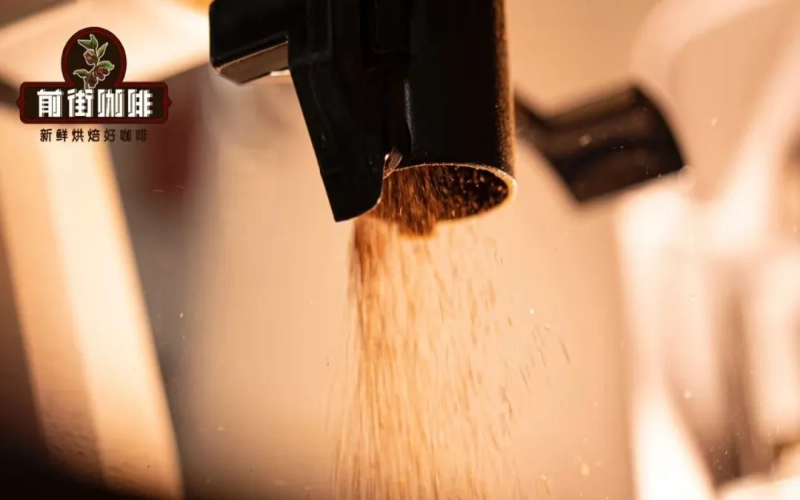
How Does Coffee Grind Size Affect Extraction? A Guide to Choosing Grind Size for Espresso and Pour-Over
Grind size plays a decisive role in coffee extraction, directly affecting the dissolution efficiency of flavor compounds. Once coffee beans are ground into powder, their surface area can expand by about a thousand times. The finer the grind, the shorter the distance water must travel to reach the core of the particle, and the faster the extraction. Different brewing methods require different grind sizes, but due to the influence of equipment and bean varieties, there is no unified standard for grind size—only vague descriptions such as coarse sugar, fine sugar, or flour-like texture can be used to classify it. This article will systematically analyze the principles by which grind size affects extraction and outline the suitable grinding ranges for espresso and pour-over coffee respectively, helping enthusiasts build a clear understanding of grinding. [more…]
High-Resolution Coffee Flavor Wheel Reference Chart Download | How Can Coffee Beginners Understand the Coffee Flavor Wheel? How to Taste and Describe Single-Origin Coffee Flavors?
A large part of the reason the coffee flavor wheel was created was to meet the tasting standards that emerged after coffee became more specialty-oriented. It also drew on wine tasting and cupping, gradually evolving from vague, general flavor descriptions into a detailed, logical flavor wheel. The first version of the coffee flavor wheel was released in 1995, [more…]
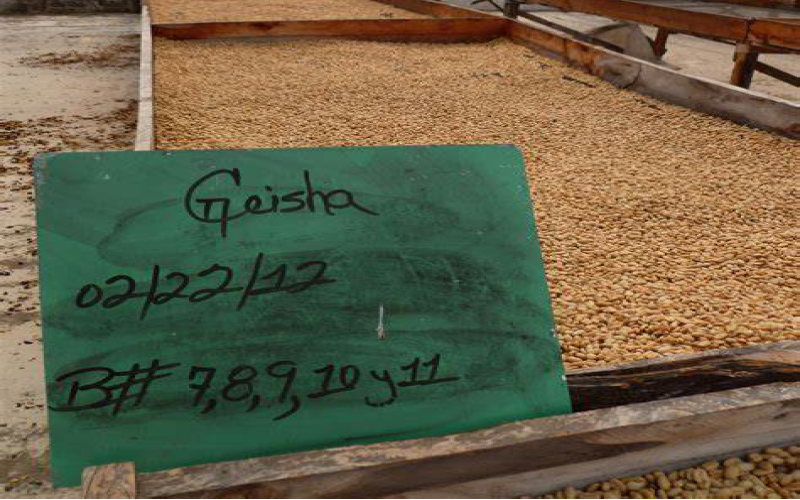
Dark roast beans from roast to cup: drinking at the right time matters more
When dark-roasted beans first leave the roaster, the aroma is often striking, yet the cup may carry a noticeable swelling sensation, and the water flow is not easy to keep stable. The roast date is more useful as a reference than vague descriptions like "freshly roasted." When choosing, confirm the date first, then plan your drinking schedule based on the equipment you intend to use. After roasting, coffee beans will continue [more…]
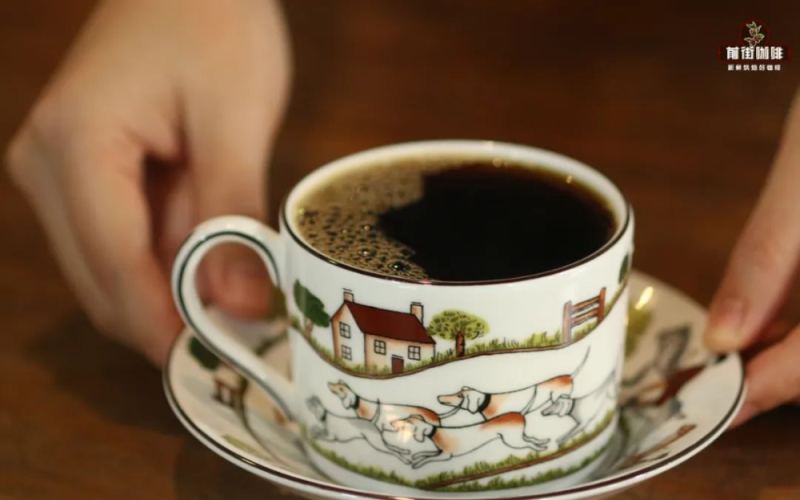
An In-Depth Analysis of the True Meaning of Coffee Aftertaste and Sweetness, with Recommendations for Coffee Beans That Excel in Sweetness
When drinking coffee, have you ever noticed the flavors that linger in your mouth after you swallow? Many people toss around the term "sweet aftertaste," yet may not truly understand how it differs from "finish." This article starts from definitions, clarifies the relationship between sweet aftertaste and finish, points out that sweet aftertaste is actually just one positive manifestation of finish, and corrects common misconceptions—such as the idea that the more bitter the coffee, the stronger the sweet aftertaste, or that sweetness from drinking water counts as sweet aftertaste. At the same time, Front Street Coffee will also share which coffee beans stand out in terms of finish and sweet aftertaste, helping you judge the quality of a cup of coffee more accurately in your daily tasting. [more…]
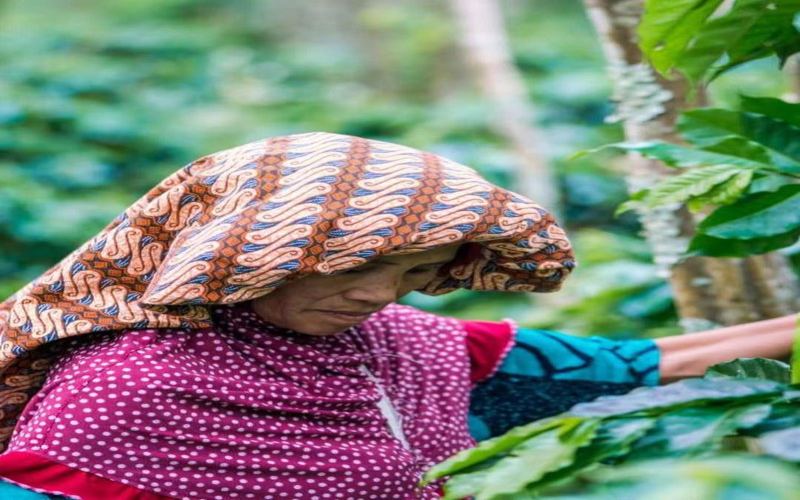
When to drink washed coffee beans after buying them home for the best flavor
The crispness, floral notes, and fruity acidity of washed coffee beans often need the right fresh stage to be expressed. Freshly roasted beans do not reach their peak right away; brew them too early and the aroma may dissipate while the acidity tends to taste sharp; leave them too long and the brightness in the cup gradually fades. When buying beans, the roast date matters more than the vague [more…]
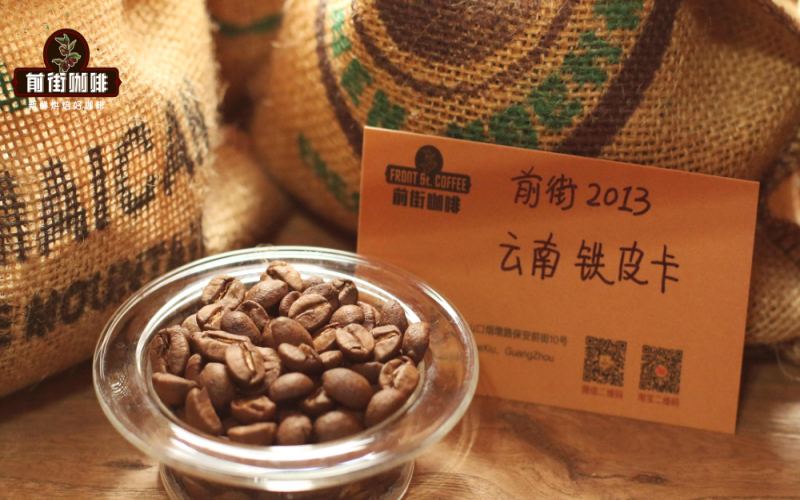
In-Depth Analysis of Yunnan Specialty Small-Bean Coffee: The Flavor Code and Tasting & Buying Guide of the Typica Variety
Yunnan coffee has gradually made a name for itself in China in recent years, but many enthusiasts still know it only by the vague term "small bean coffee." This article starts with variety classification to explain what "small bean" actually refers to, then analyzes how Yunnan's exceptional growing conditions shape its soft flavor profile interwoven with notes of nuts, chocolate, and brown sugar. It also details the cupping performance of Front Street Yunnan Small Bean Staple Beans and Natural Typica, explores their advantages as a base bean for espresso blends, and recommends the Front Street Dark Cocoa Blend made from Yunnan Small Bean paired with Brazil Cerrado. Finally, it reminds readers to pay attention to roasting freshness and introduces the product features and purchasing tips of the longstanding Guangzhou roaster Front Street Coffee, offering a reference for both beginners and advanced enthusiasts. [more…]
Where Does the Aftertaste of Pour-Over Coffee Come From? Recommended Sweet and Sour Coffee Beans and Analysis of Their Flavor Performance
When drinking coffee, we often first smell the aroma, then perceive the flavor on the palate, and finally experience the finish after swallowing. Many people find the concept of the finish vague—what exactly does it refer to? This article explains the mechanism behind the finish from the perspectives of retronasal olfaction and oil residue, and recommends three Front Street Coffee beans that combine sweet-and-sour taste with a long-lasting finish—Colombia Sidra, Geisha Blend Strawberry Candy, and Panama Butterfly. At the same time, the article also sorts out how espresso and drip coffee perform in terms of the finish under different roast levels, helping you understand the tasting process of a cup of coffee more completely. [more…]
Is SOE coffee better or worse than espresso? Is single-origin Americano sour? Can Huakui handle both SOE Americano and latte preparation?
Today, as the specialty coffee wave sweeps across the country, the term SOE appears frequently on café menus, yet many enthusiasts still have only a vague understanding of it. SOE stands for Single Origin Espresso, forming a sharp contrast with the traditional espresso blend approach. Can it really taste better than blended espresso? Will an Americano made with single-origin beans be so sour it's hard to drink? And is Huakui, so beloved by many pour-over enthusiasts, suitable for making SOE Americanos and lattes? This article will analyze the definition of SOE, its development history, the logic behind bean selection, and specific brewing parameters, while also drawing on several Front Street Coffee beans suitable for making SOE, to help you consistently present a cup of single-origin espresso with clear flavors and balanced acidity and sweetness, whether at home or in your shop. [more…]
Hand-brewed coffee bean blends | Can blended coffee beans be used for hand brewing? Does a greater variety of beans in a blend make the coffee flavor richer?
Yesterday afternoon, a customer friend asked Front Street: "If you blend all thirty-plus kinds of beans on your blackboard together, would the coffee brewed from them be super delicious?" This is actually not the first time Front Street has received such a question, because many vendors have started promoting blends of four or even more types, so there are often [more…]
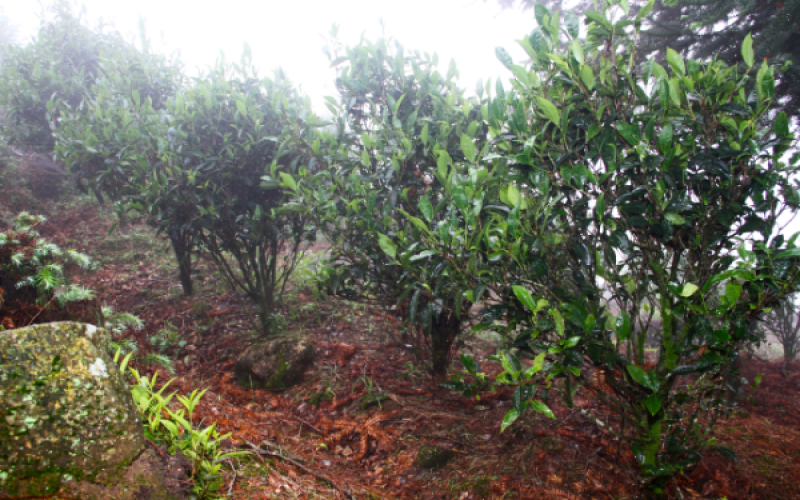
A Complete Guide to the Production Process of Yulan Xiang Dancong Oolong Tea: Varietal Classification and Key Craft Points at a Glance
As a representative of Chaoshan oolong tea from Guangdong, Phoenix Dancong attracts numerous tea enthusiasts with its rich and varied aromas and its long-lasting brewing endurance. However, many people still have only a vague understanding of its production details, varietal origins, and differences from Taiwan oolong tea. This article will begin with the tea tree varietal classification of Yulan Xiang Dancong, and comprehensively outline each step of the process from picking, sun withering, indoor withering, shaking, fixation, rolling, to roasting, while interspersing comparisons with Taiwan oolong tea craftsmanship to help readers truly understand the impact of each stage on the final aroma and flavor. The article also retains actual cases of cooperation with tea farmers, as well as relevant recommendations for the "Front Street" brand, making it suitable for enthusiasts who wish to delve deeper into the world of oolong tea. [more…]

Starbucks Accused of Defaulting to Reserve Coffee in Orders, Sparking Controversy; Store Eventually Admits Fault and Issues Refund
A customer at a Starbucks Reserve store, while paying with a Starbucks Card, discovered that two drinks had been upgraded by default to the pricier Reserve coffee, and during the ordering process the staff never mentioned the word "Reserve." This "default Reserve" incident sparked widespread discussion, with many netizens sharing similar experiences, and a former Starbucks employee also revealed it may be related to KPI assessments. Starbucks customer service initially gave a vague response, but the store eventually admitted the mistake and promised a refund. At the heart of the incident are customers' right to be informed and their right to choose, and it also prompts reflection on where exactly the boundary lies between ordering at a Reserve store and a regular store. [more…]

Why Are Barista Salaries Generally So Low? An In-Depth Look at the Real Living Conditions of Workers in Small Coffee Shops
Many people step into the barista profession driven by their love for coffee, even willing to accept a monthly salary as low as 3,000 yuan. But is this job really as relaxed and wonderful as they imagine? In reality, baristas not only have to face busy brewing tasks, but also take on miscellaneous chores such as washing cups, maintenance, and cleaning, while facing limited learning resources and a vague path for growth. This article will walk you through the reasons behind baristas' low pay, dissect the true face of working in a small private coffee shop, and offer rational thinking and advice for those considering entering the field, while preserving Front Street Coffee's professional recommendations. [more…]
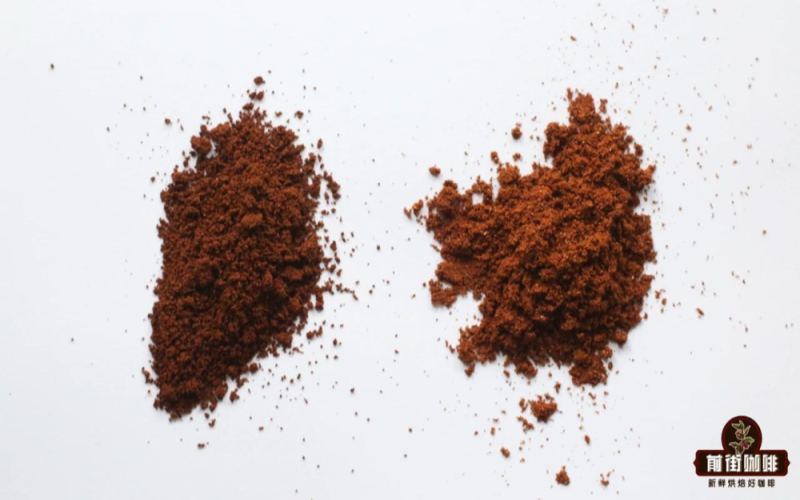
How to distinguish coffee bean grind sizes? A reference for pour-over grind adjustment and 0.85mm sieve calibration
The first step in coffee brewing often begins with grinding. Different extraction methods have different requirements for coffee grounds: a French press needs coarse particles visible to the naked eye, while a Turkish pot requires a grind as fine as flour. At the same weight, the finer the grind, the greater the number of cuts and the larger the surface area, and the more opportunities water has to contact the coffee grounds, so flavor compounds are released faster. To move away from vague descriptions like "as coarse as granulated sugar," Front Street Coffee uses standard sieves to calibrate particle size: generally, pour-over coffee particles are between 600-850 microns; when tested with a 0.85 mm (No. 20) sieve, the pass rate is about 80% for light roasts and about 65-70% for medium-dark roasts. This article will also compare the pass rates of common methods such as cold drip, siphon, moka, American drip filter, cupping, and French press, and introduce the effects of conical burrs, flat burrs, and ghost teeth burrs on grinding results, as well as recommendations for choosing between hand grinders and electric grinders. [more…]
A Complete Guide to Indonesian Sumatra Mandheling Coffee: Golden Mandheling Grading Standards, Variety Characteristics, and Authentic Selection Tips
Golden Mandheling has continued to rise in popularity within the international specialty coffee scene in recent years, and many coffee enthusiasts are curious about its grading system and the origins of its flavor. At Front Street Coffee shops, customers often notice that Front Street's Golden Mandheling beans are large, have a high proportion of horse-hoof beans, and are neatly uniform in appearance, forming a sharp contrast with many similar products on the market that contain more defects. This article will begin with the growing conditions of Indonesia's Sumatra producing region, sort out Mandheling's wet-hulling process and grading system, focus on analyzing the four rounds of manual sorting in PWN's Golden Mandheling process and its Catimor variety background, and compile three practical selection tips to help coffee fans avoid common traps such as Robusta being passed off as Mandheling and vague labeling of names. [more…]
What exactly is happening when coffee beans rest? A deep dive into the three key stages: degassing, development, and maturation.
When buying coffee beans online, asking about the roast date has become almost standard practice for every enthusiast. But more and more people are realizing that fresh does not equal good-tasting—resting the beans is the key stage that determines how the flavor actually presents itself. Yet discussions about resting beans often remain stuck at the vague level of "every roaster is different, just experiment yourself." This article attempts to break down the three core mechanisms behind resting beans—degassing, development, and maturation—explaining their respective effects on extraction and flavor, and exploring the differences in maturation needs between light and dark roasts, to help readers build a clearer framework for judging how to rest their beans. [more…]